The capability allows the Albuquerque-headquartered air medical transport provider to continue specialised respiratory therapy during flight when clinically appropriate, including for medically fragile patients.
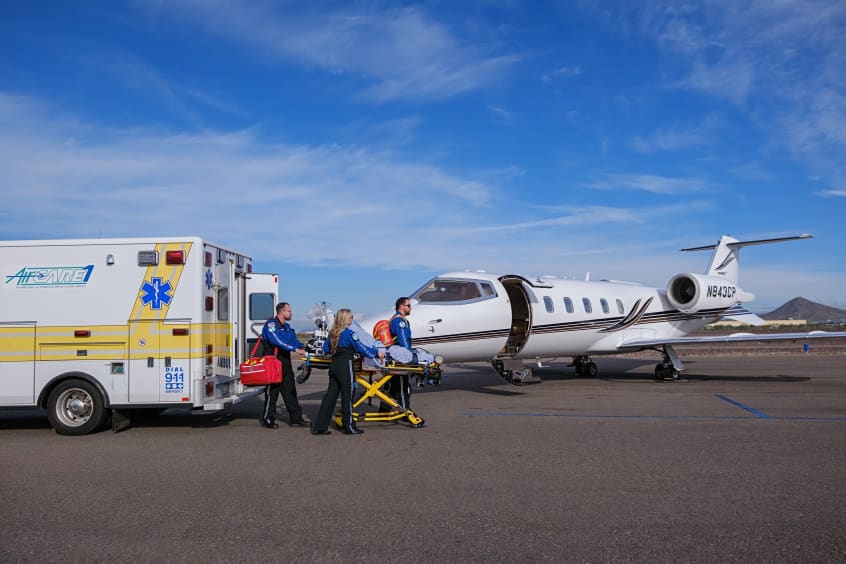
AirCARE1 has received FAA authorisation to carry inhaled nitric oxide (iNO) aboard its Learjet 60 aircraft after completing the required clinical, operational and aviation processes. This additional step ensures this therapy is transported and administered according to established safety standards.
This capability allows the Albuquerque-headquartered air medical transport provider to continue specialised respiratory therapy during flight when clinically appropriate. For medically fragile patients, uninterrupted treatment can expand otherwise limited transport options and help patients attain specialised care.
Inhaled nitric oxide is a prescription medical gas delivered through a breathing or ventilator circuit. It relaxes blood vessels in the lungs, helping improve oxygenation and lower pulmonary pressure, and reduces strain on the heart in responsive patients.
This therapy can be especially important for infants experiencing severe oxygenation failure associated with pulmonary hypertension. In this population, iNO is FDA approved to improve oxygenation and reduce the need for extracorporeal membrane oxygenation (ECMO). Continuing therapy during transport helps maintain oxygenation and pulmonary stability throughout the bedside-to-bedside journey.
iNO may also support select burn patients whose injuries are complicated by acute respiratory distress syndrome, severe hypoxemia or increased pulmonary pressure. Although it does not treat the burn itself, iNO may be used as temporary rescue therapy to improve oxygenation and stabilise the patient during transfer.
AirCARE1's iNO programme was led by Christina Kennedy, RN, BSN, CFRN, programme director and active flight nurse, who oversaw its clinical integration and FAA authorisation.
“Bringing iNO aboard our aircraft allows us to extend this highly specialised, hospital-level respiratory therapy to patients who need it throughout transport,” she says.
Denise Waye BSN, RN and founder of AirCARE1, adds: “Christina's leadership reflects our commitment to advancing air medicine responsibly and safely.”
Because iNO is transported as a regulated hazardous material, providing it in flight requires specialised equipment, trained clinicians, documentation and aircraft-specific procedures. By voluntarily completing the FAA authorisation process, AirCARE1 formally incorporated iNO into its regulated operating system, ensuring the capability meets high standards of safety, compliance and patient care.